

How To Design Outdoor Entertaining Areas For Hosting And Wellness
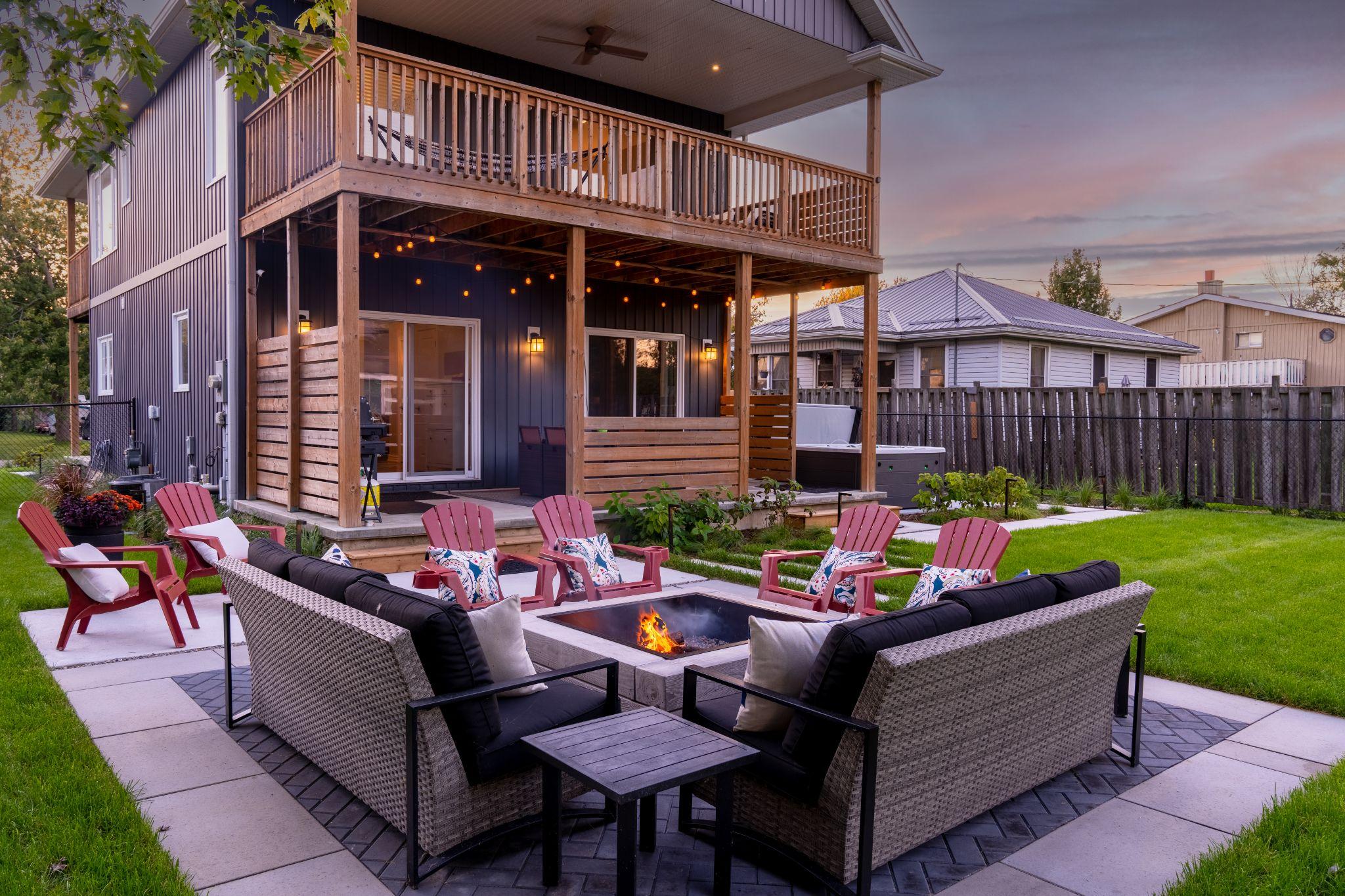
A beautiful backyard can still feel awkward when you try to host in it. Seating feels scattered, food service feels inconvenient, and the space doesn’t flow the way you expected. If your home is near Lake Erie, you also have wind, moisture, and seasonal changes that can affect comfort and materials over time.
The good news is that you can plan a space that feels polished, relaxed, and easy to use, without overcomplicating it. Read our latest blog: “How Professional Landscape Design Brings Luxurious Outdoor Entertainment Space Ideas to Life” to start your dream project.
Keep reading to learn a step-by-step approach you can follow to create an outdoor entertaining area that supports hosting, family time, and everyday wellness.
Step 1: Choose The Purpose Of Your Outdoor Entertaining Area
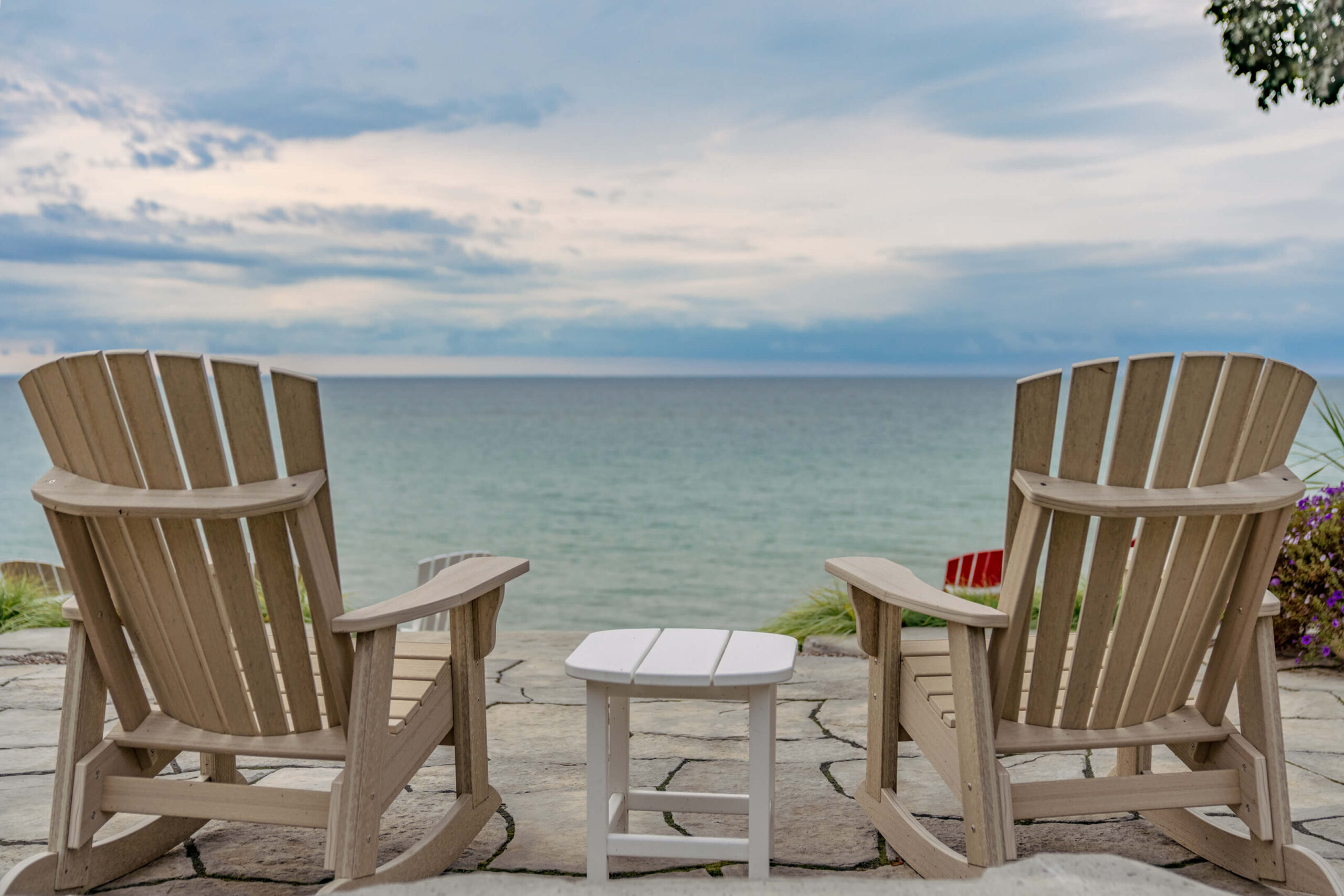
Before you choose finishes or features, get clear on what you want your space to do. This is the first step in how to design an outdoor entertaining area that feels intentional instead of pieced together.
Start by asking yourself a few practical questions:
- Do you host large groups, or smaller gatherings?
- Will you serve full meals, or mostly drinks and snacks?
- Do you want quiet conversation zones, or an energetic space for events?
- Will kids be using the area often?
- Do you want wellness features like a sauna or cold plunge?
It helps to list your “must-haves” and your “nice-to-haves.” This keeps your plan focused and prevents you from adding features that look impressive but don’t support your lifestyle.
If your property is close to the shoreline, also think about how you use the outdoors across the seasons. You may want a space that works for summer dinners, fall fireside evenings, and even sunny winter days when you want fresh air.
Step 2: Draft An Outdoor Entertaining Space Layout By Zones
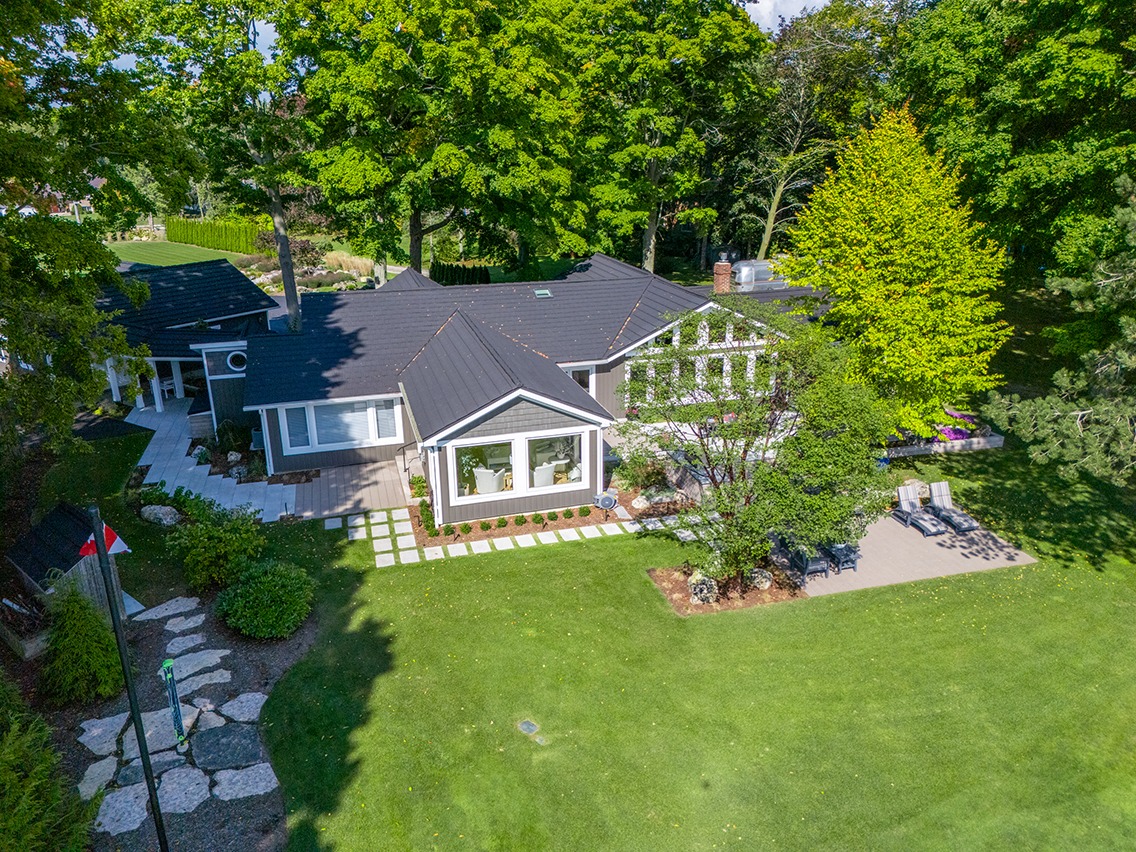
A strong outdoor entertaining space layout is built around zones. This means each part of the yard has a clear function, and the transitions between areas feel natural.
Most entertaining spaces include zones like:
- Cooking and serving
- Dining
- Lounge seating
- Fire feature or focal point
- Pool and sun area (if applicable)
- Quiet wellness corner
Think of zoning like designing a home interior. You would not place a dining table in the middle of a hallway. Outdoors, the same idea applies.
This is where professional planning makes a difference. A detailed 2D layout helps you confirm sizes, walkways, and spacing. A 3D concept helps you visualize height, views, lighting, and how the space will feel when you’re actually in it.
If you’re exploring outdoor entertaining area design ideas, zoning is what turns inspiration photos into a plan that works on your property.
Step 3: Set Your Outdoor Seating Layout For Entertaining And Conversation
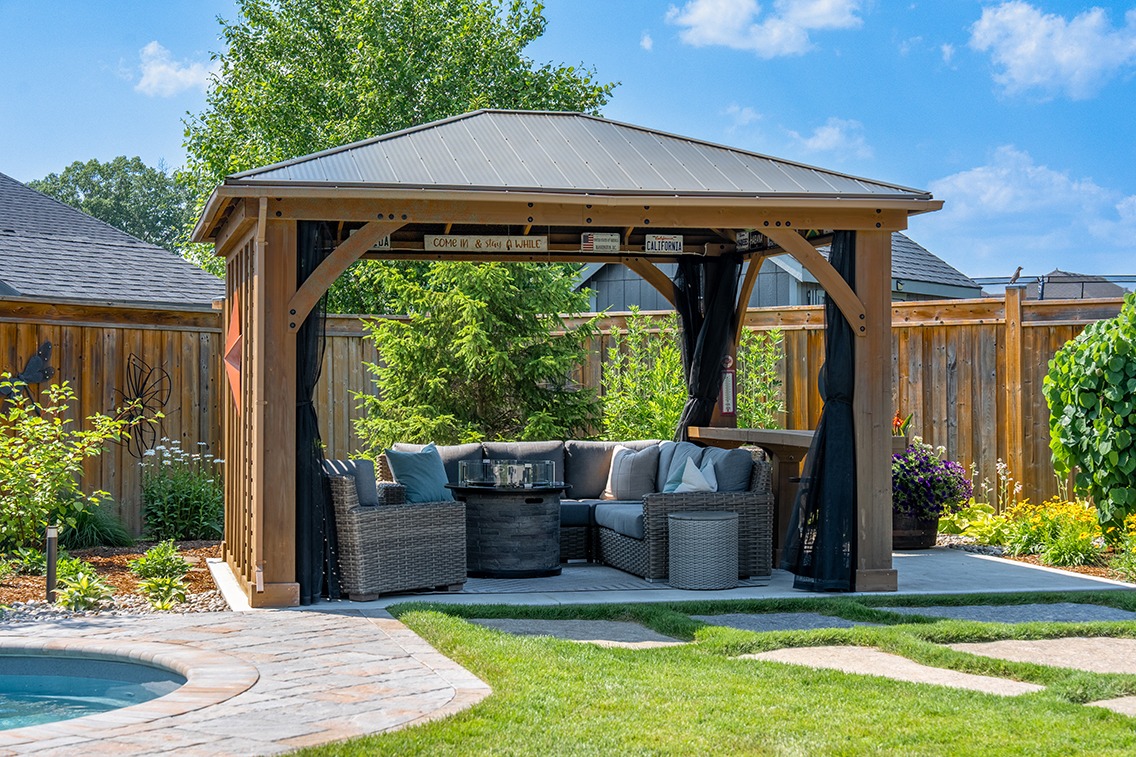
Your seating should support connection. It should also feel comfortable to move through, even when guests are carrying drinks or plates.
A smart outdoor seating layout for entertaining usually includes more than one seating type, such as:
- A dining table for meals
- Lounge seating for conversation
- Side seating for extra guests
- A small bench or built-in ledge for flexibility
To create better conversation flow, arrange seating in a U-shape or L-shape where possible. This allows people to face each other naturally. Avoid placing chairs too far apart, or everyone ends up shouting across the space.
Also plan for circulation. Leave clear walking paths behind chairs and around tables. As a general rule, you want enough space for someone to pass behind a seated guest without bumping them.
If you enjoy quieter evenings, consider a smaller secondary seating area away from the main dining zone. It gives you options depending on the mood and the group.
This is a key part of how to design an outdoor entertaining area that feels effortless once it’s built.
Step 4: Consider Outdoor Kitchen Layout Ideas That Support Hosting
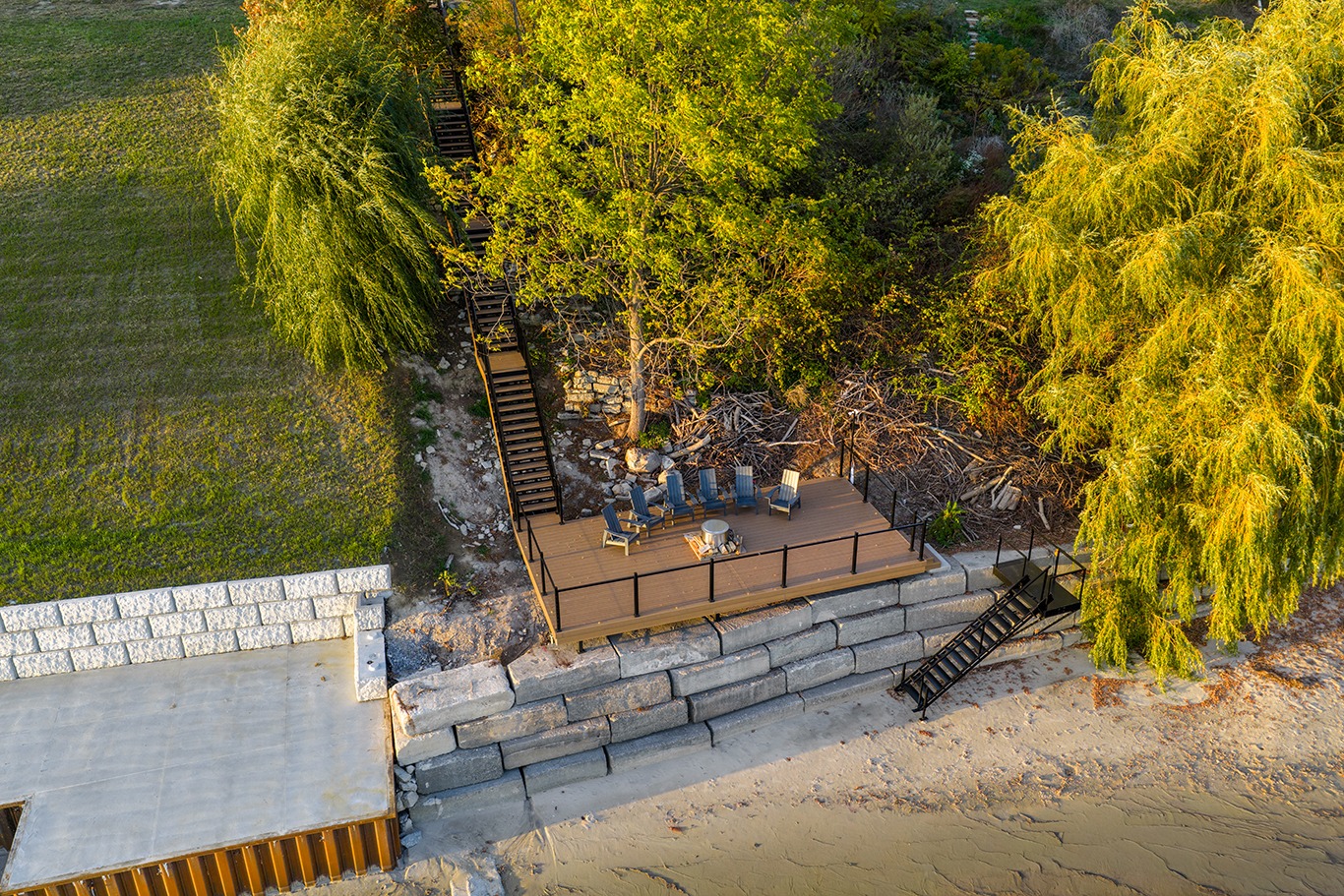
An outdoor kitchen can make hosting smoother, but only if it’s laid out properly. The best outdoor kitchen layout ideas focus on function first.
Think about how you serve guests. You want a layout that supports:
- Prepping food without crowding
- Cooking while staying part of the conversation
- Easy access to serving and clean-up areas
A simple, effective setup often includes:
- Grill or cooktop as the anchor
- Counter space on both sides for landing zones
- A sink for quick rinsing and clean hands
- A fridge or beverage cooler within reach
- Storage for tools, dishware, and towels
If you host often, consider where guests naturally gather. Many people stand near the kitchen. Adding a bar ledge or seating nearby can keep the space social while giving the cook room to work.
You don’t need a massive kitchen to make it feel high-end. You need the right layout, durable materials, and a clean, cohesive look that fits your home.
Step 5: Add Pools Seamlessly Into Landscaping
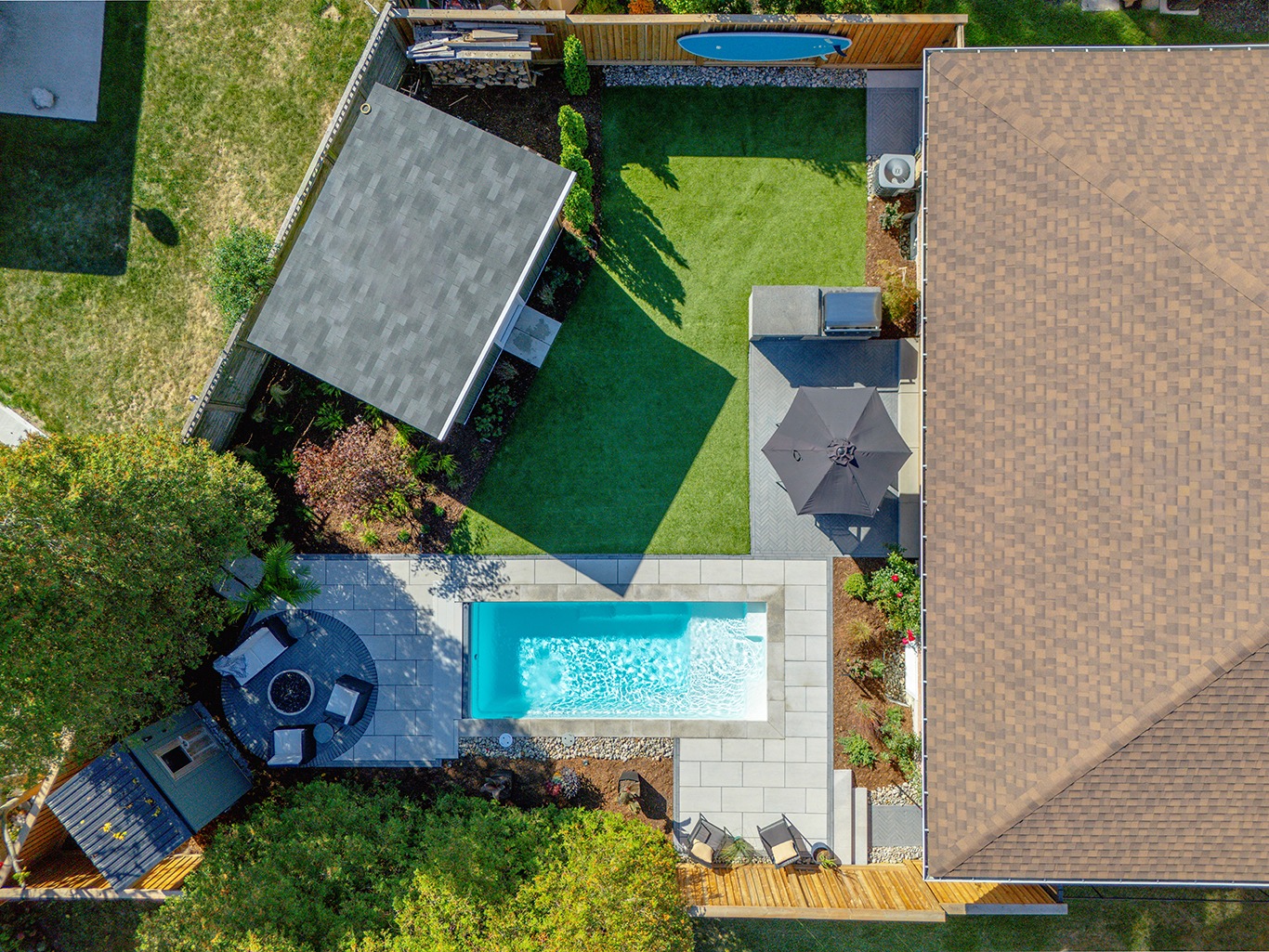
A pool can be the centrepiece of your outdoor space, but it should feel integrated, not dropped into the yard as an afterthought. The goal is to connect the pool area to the rest of your entertaining zones.
Start with circulation. You want clean, safe paths from:
- House to pool
- Pool to seating and dining
- Pool to towel storage or outdoor shower
Then consider comfort. Pool spaces feel better when they include shade, lounging areas, and privacy elements. Many of the best poolside entertaining area ideas include:
- A pergola or cabana for relief from the sun
- A lounge zone with side tables and cushions
- A nearby drink station or small fridge
- Planting beds that soften hard edges
Also think about the view from inside your home. A well-planned pool area should look polished even when it’s not in use.
If a pool is part of your plan, Check out our Pool Services to continue planning your outdoor space.
Step 6: Design For Wellness With Spa Features
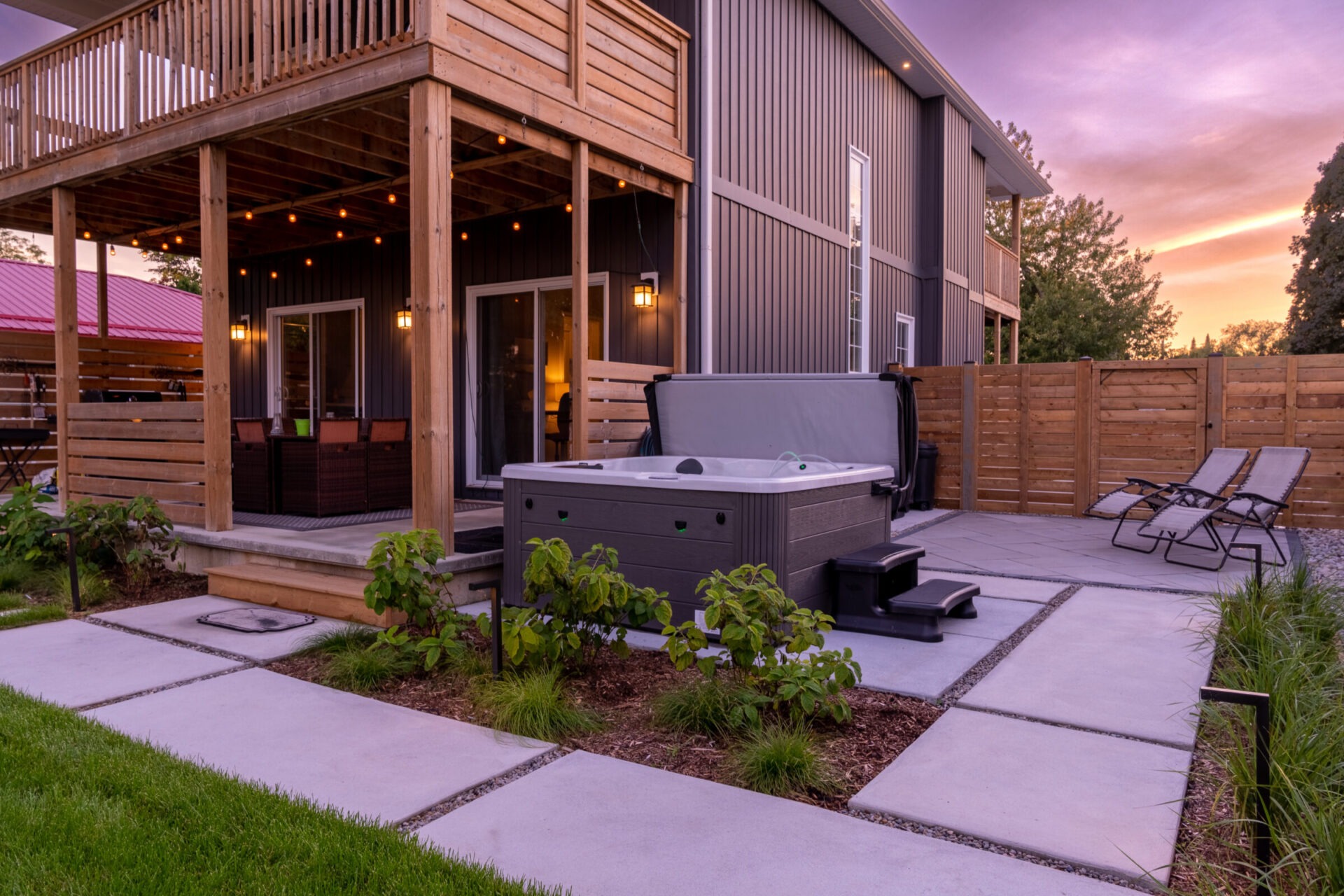
Entertaining is not only about hosting. It’s also about how you live day to day. Wellness design gives your outdoor space a quieter purpose that you can enjoy even when guests aren’t around.
Popular wellness additions include:
- Sauna or steam cabin
- Cold plunge pool
- Hot tub or spa
- Outdoor shower
- Private relaxation deck
The key is placement. Wellness zones should feel calm and slightly separated from louder gathering areas. If you can, position them where you have privacy, wind protection, and a pleasant view.
You can also design wellness into the space without adding large features. For example:
- Add soft planting for a natural feel
- Use screens or fencing for privacy
- Choose comfortable materials underfoot
- Include a small seating area for quiet mornings
Wellness-focused planning adds depth to your outdoor lifestyle and supports long-term use.
Step 7: Add Lighting For Safety, Atmosphere, And Longer Evenings
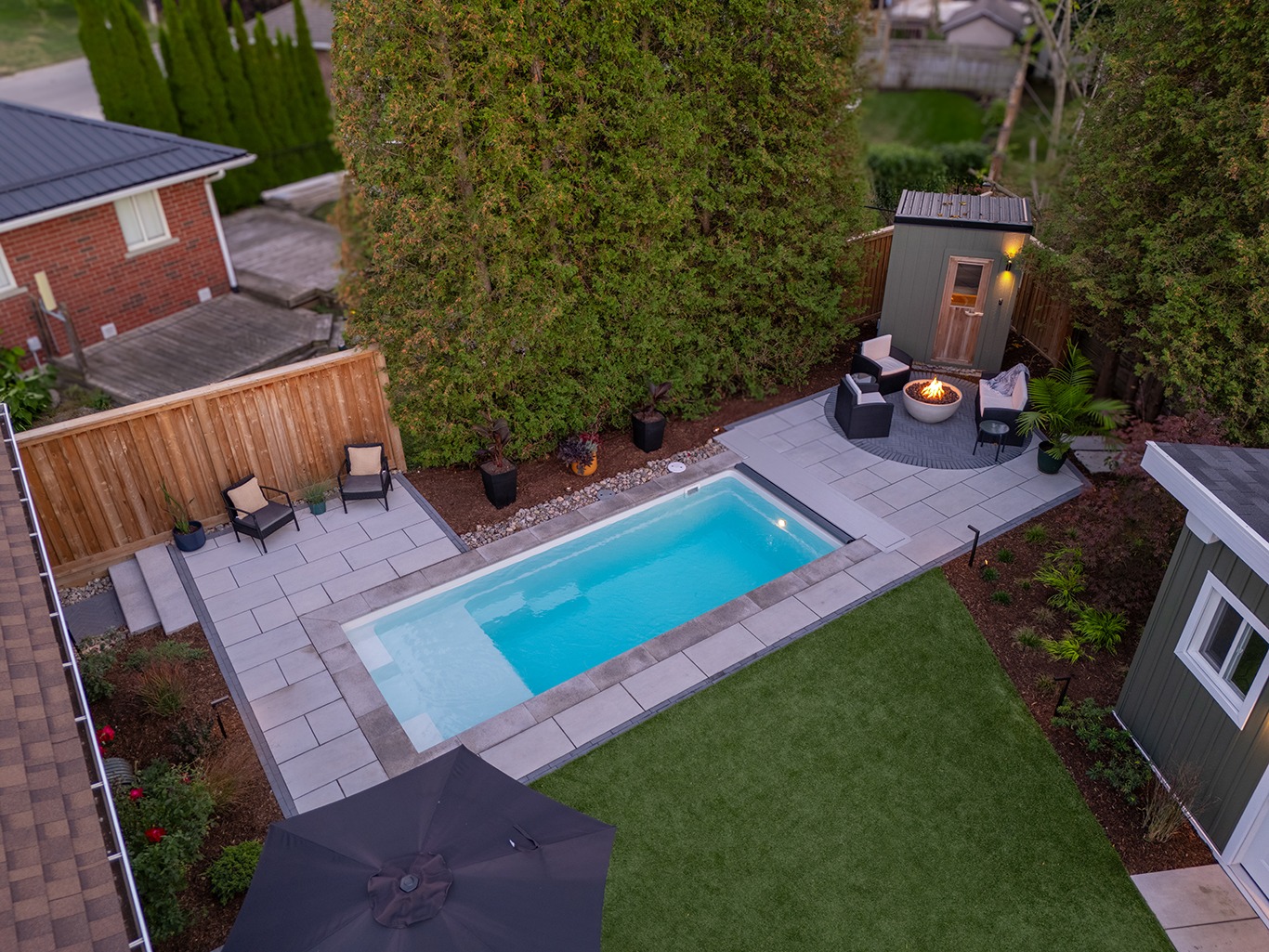
Lighting is one of the most overlooked parts of outdoor planning. But it’s essential if you want the space to feel inviting after sunset.
Great outdoor lighting ideas for entertaining balance three goals:
- Safety for stairs, edges, and pathways
- Ambience for dining and lounge zones
- Visibility for cooking and serving areas
Consider layering lighting types, such as:
- Step lights for stairs and grade changes
- Path lighting for walkways
- Downlighting in trees for a natural glow
- Soft wall lighting near doors
- Accent lighting for stonework or focal features
Avoid harsh brightness. The goal is a warm, comfortable atmosphere that makes people want to stay outside longer.
Lighting is also a practical part of how to design an outdoor entertaining area that works for real life, not just daytime photos.
Step 8: Pick Materials And Finishes That Stay Cohesive
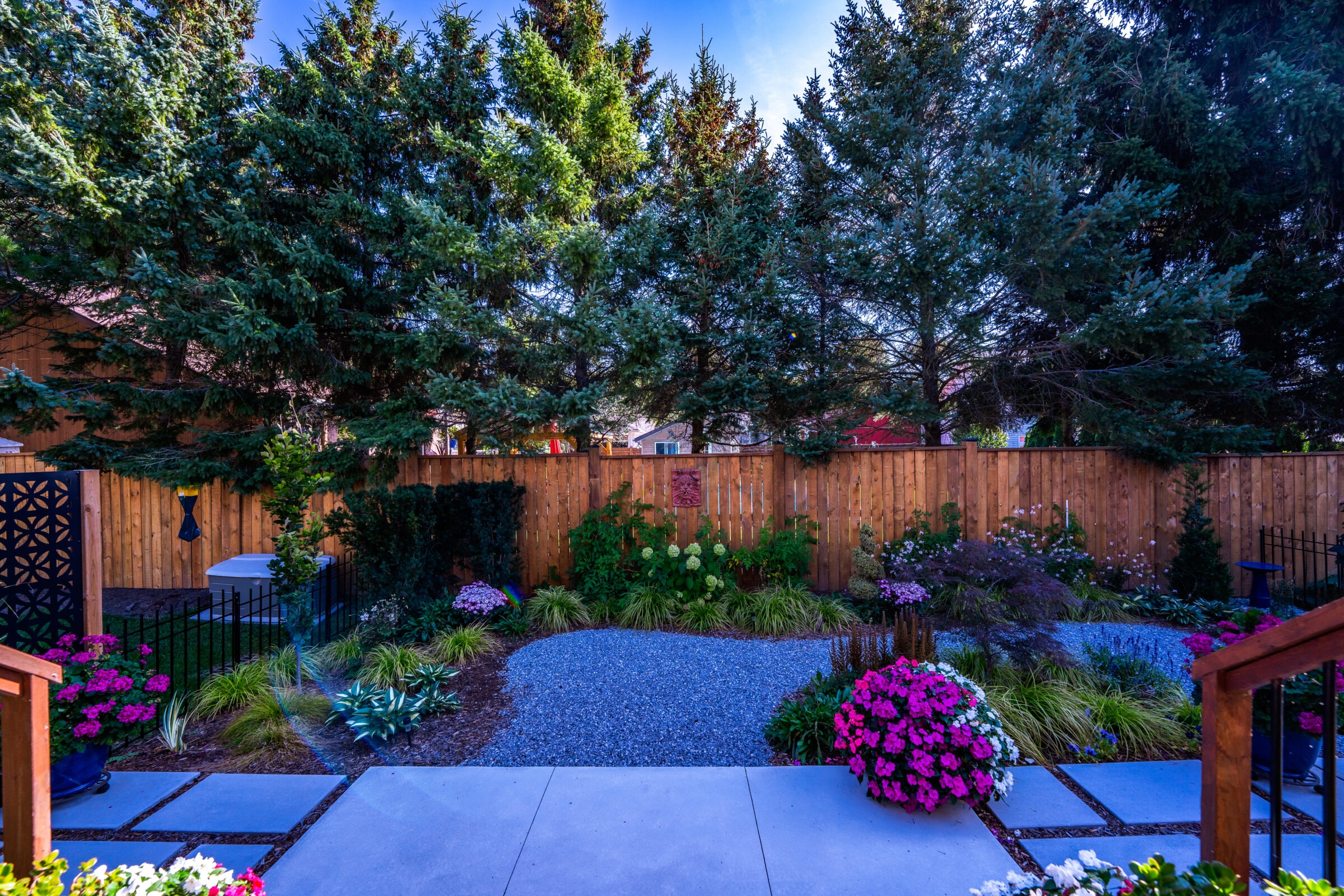
High-end outdoor spaces feel cohesive because the materials work together. This includes hardscaping, outdoor structures, and surface finishes.
When selecting materials, focus on:
- Slip resistance near water features
- Durability in freeze-thaw conditions
- Easy maintenance over time
- Colours that match your home exterior
A simple approach is to choose a primary material and then add one or two supporting materials for contrast. For example:
- Natural stone with subtle metal accents
- Porcelain pavers with warm wood tones
- Smooth concrete with textured stone borders
If your home is near Lake Erie, consider materials that handle moisture and seasonal weather changes well. This keeps the space looking refined year after year.
Step 9: Add Details That Make Guests Feel Looked After
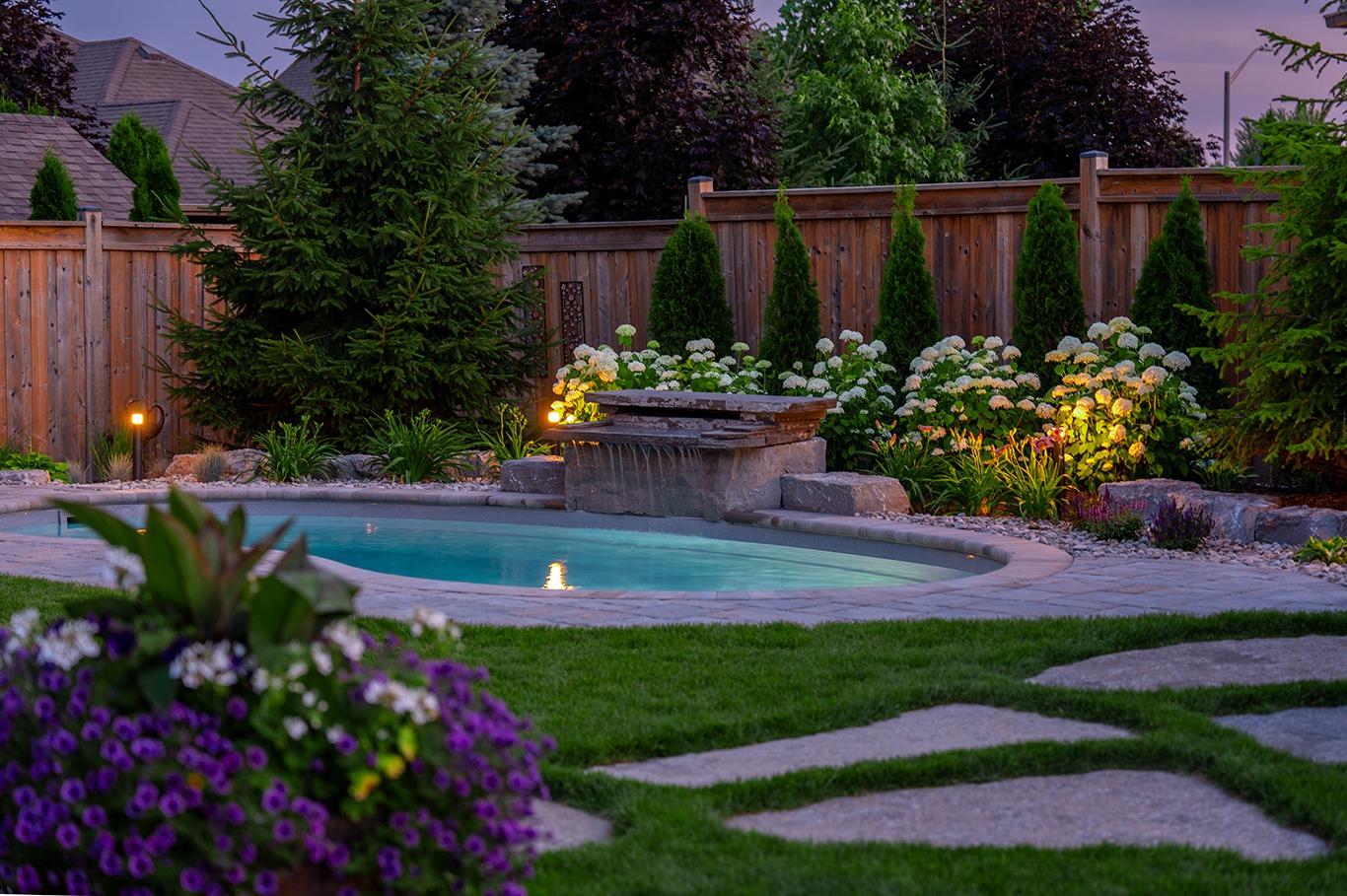
The finishing touches are what make your outdoor space feel thoughtful. These details do not need to be flashy. They need to be practical and comfortable.
Consider adding:
- Side tables near every seating group
- Built-in seating for flexible hosting
- A fire feature for cooler evenings
- Shade options like umbrellas or pergolas
- Storage for cushions and outdoor items
- A discreet area for waste and recycling
Even small upgrades can change the experience. When guests have a place to set a drink, warm up near a fire, or relax in a shaded spot, your space feels welcoming.
These details also support everyday use. You’re more likely to enjoy the space when it’s easy to live in.
Step 10: Review Your Plan With A Professional For Flow And Comfort
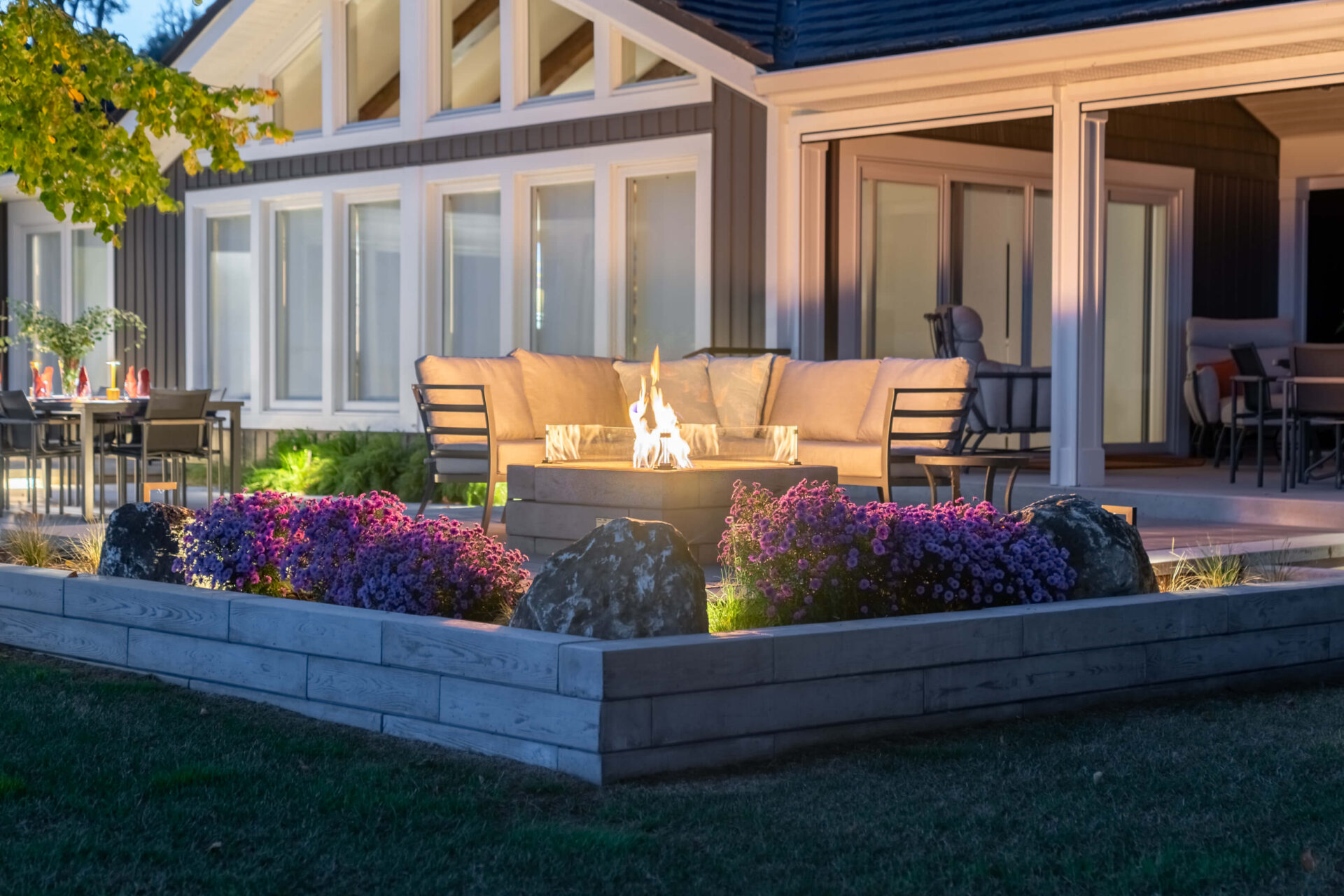
Even if you have great ideas, it’s easy to miss key details when planning on your own. A professional review can help you confirm flow, spacing, and long-term function.
This is where experienced designers stand out. A disciplined, design-centric approach helps you avoid common issues like:
- Crowded seating zones
- Awkward walkways
- Poor sightlines from the house
- Features that compete instead of working together
A professional also helps you plan in a way that feels honest and clear, with realistic timelines and a smoother overall experience.
If you want confidence in how to design an outdoor entertaining area, a final review can protect your investment and help the finished space feel right from day one.
Bringing It Together
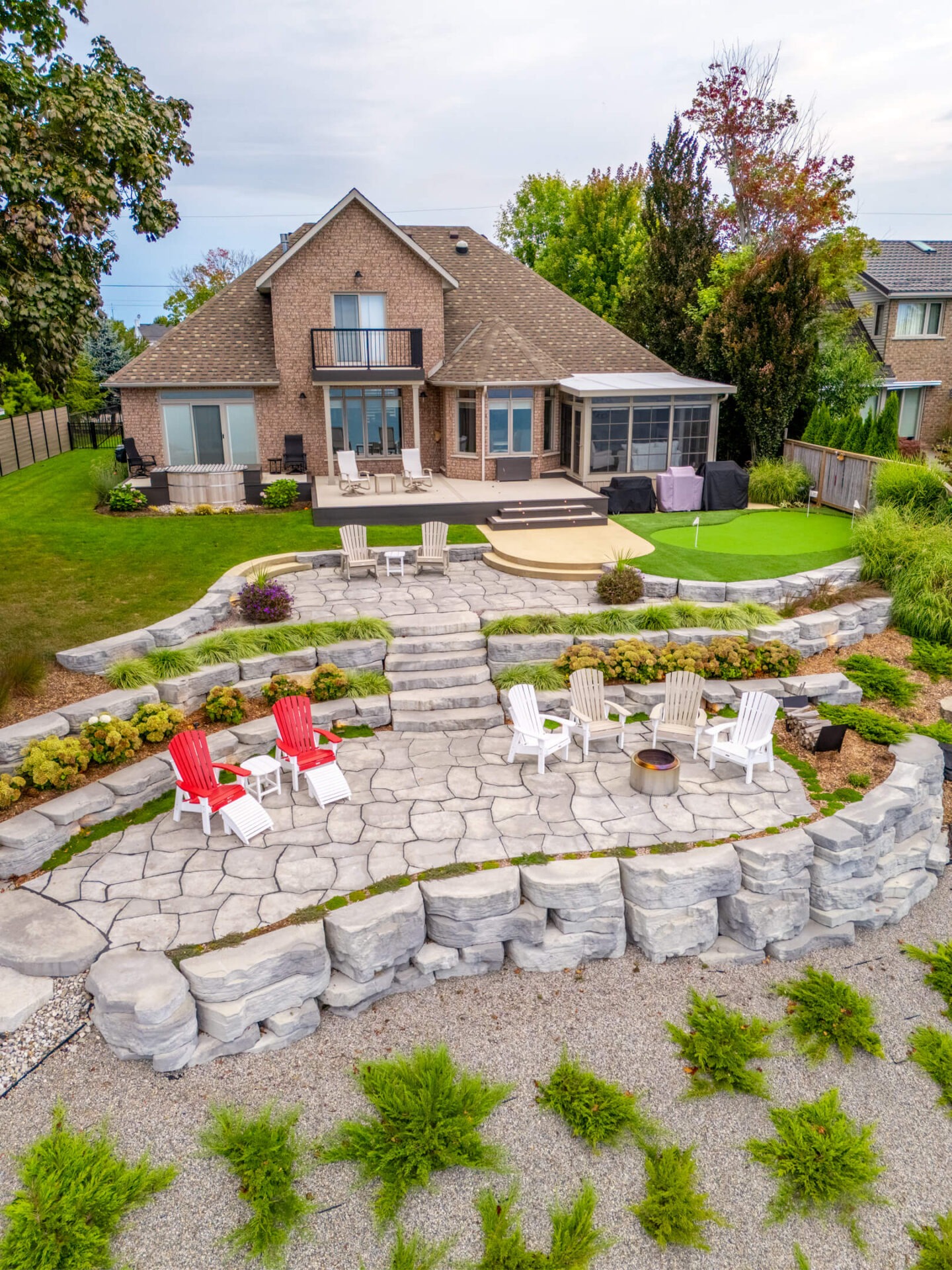
When every part of your plan supports the way you host, the entire property feels more comfortable to live in. Your zones connect naturally. Your seating feels inviting. Your kitchen, pool, and wellness features feel like they belong.
Most importantly, your space feels easy to use. You’re not constantly adjusting furniture, moving people around, or wishing you planned things differently.
If you’re ready to take the next step, Request a Consultation to review your layout, refine your plan, and move forward with confidence.
Summary
If you’ve been wondering how to design an outdoor entertaining area, start by choosing a clear purpose, building smart zones, and planning for comfort, lighting, and long-term flow. A step-by-step approach helps you create a space that feels refined, easy to host in, and enjoyable every day.
Tags: